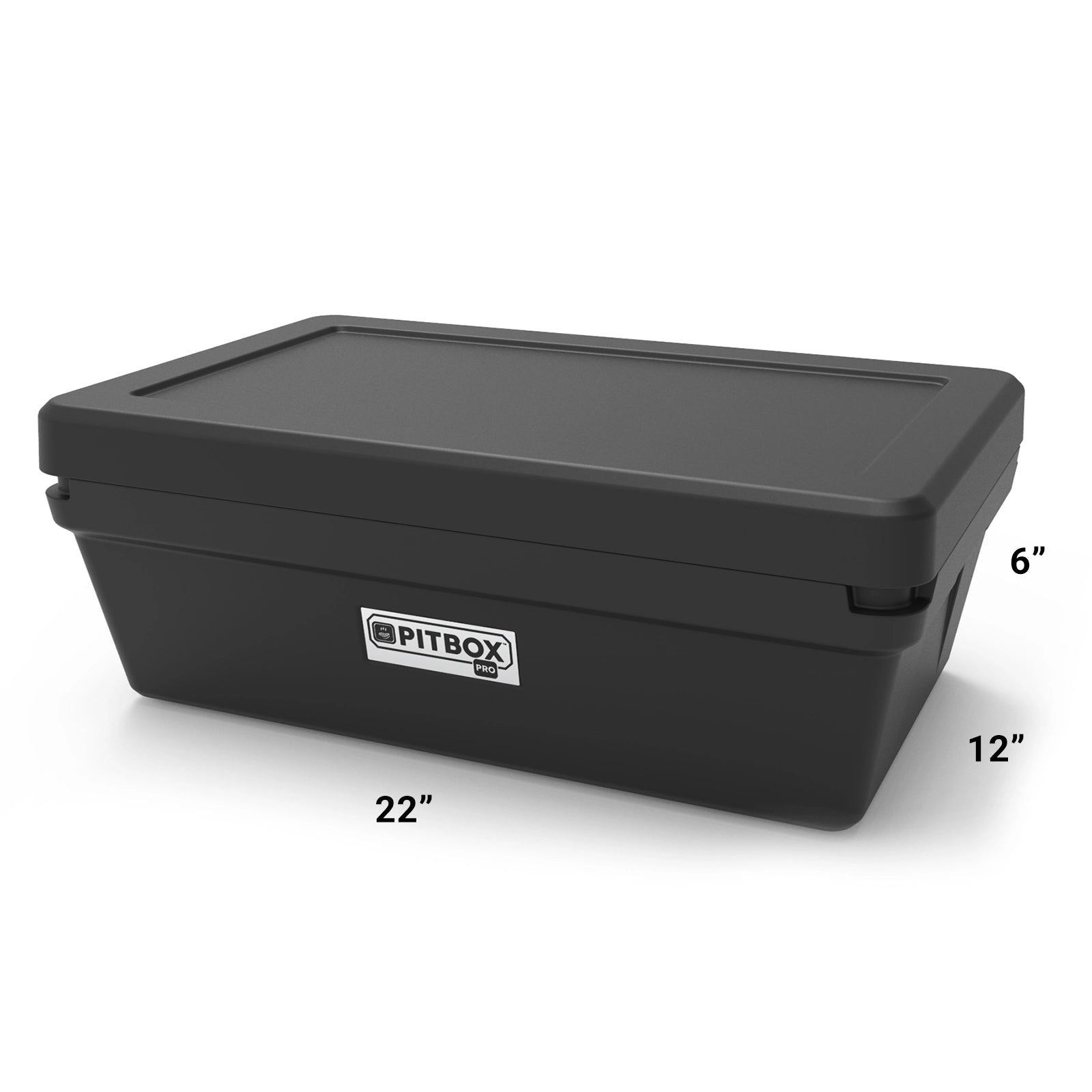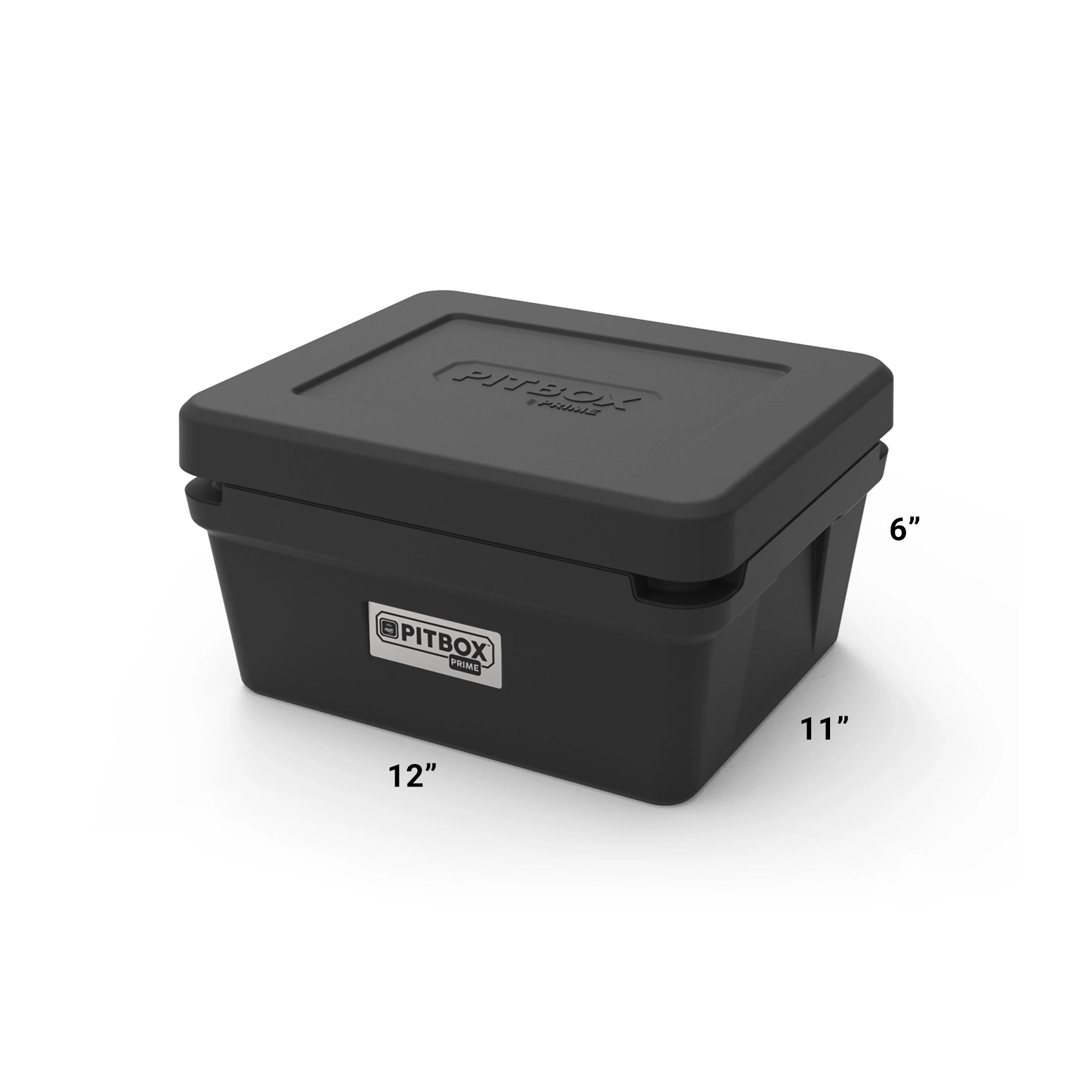
Plastic, Pork Juice, and a Pile of Towels
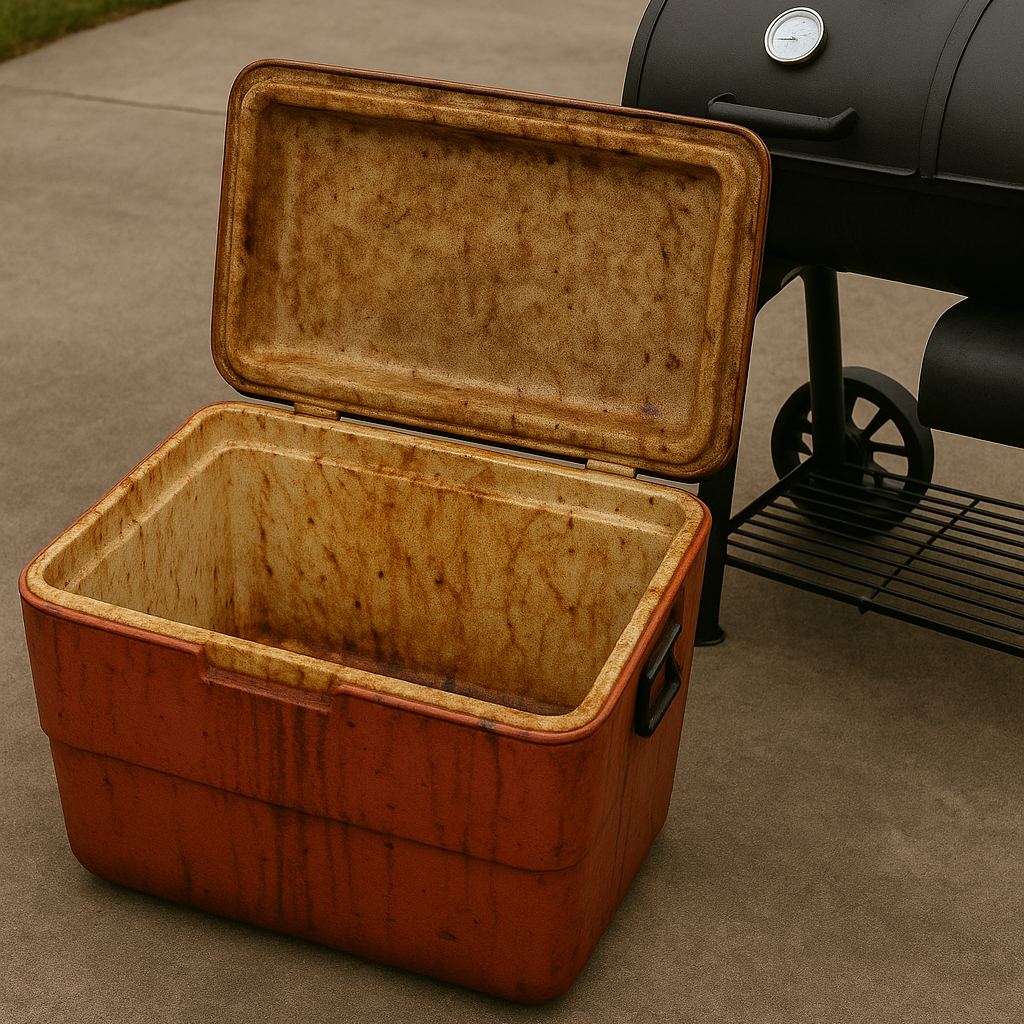
Coolers weren't made for hot meat. They were made for ice and beer. And yet, we've all been treating them like makeshift resting chambers. Here's what that really gets you:

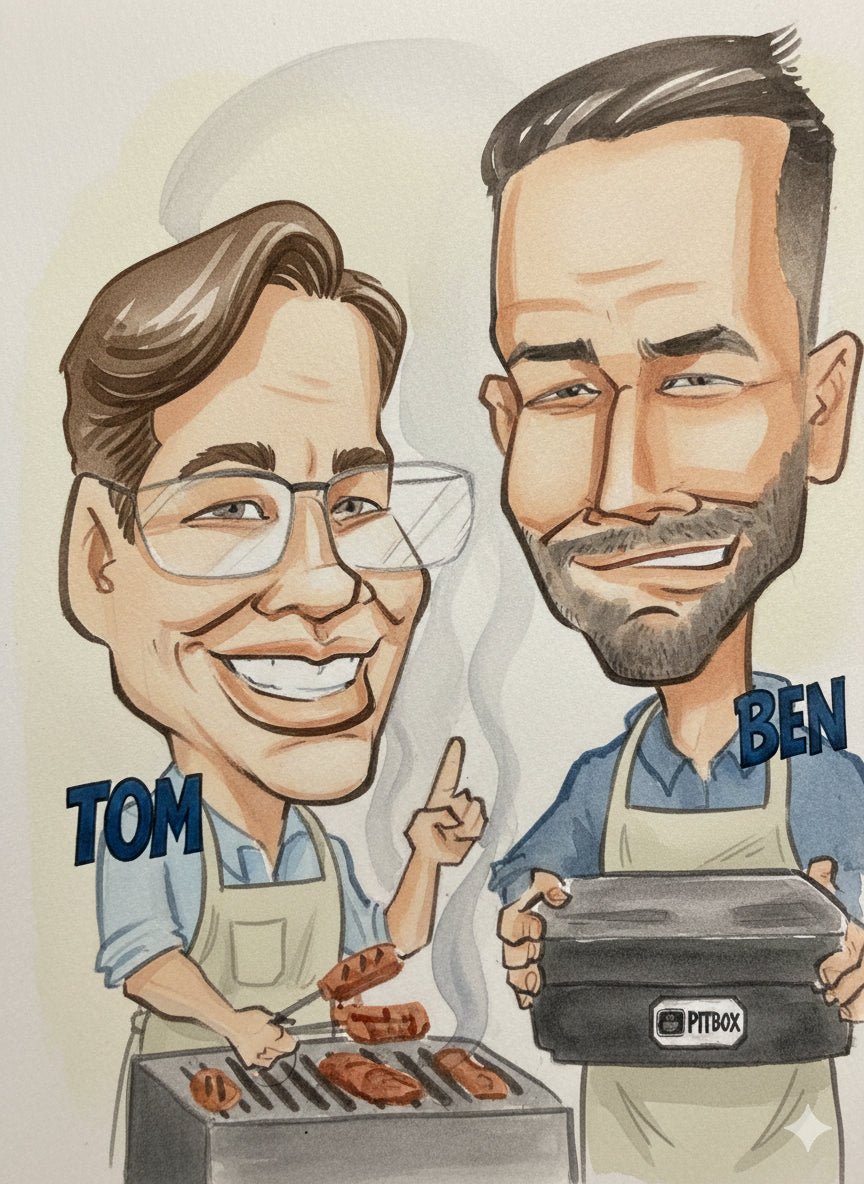
I'm Ben, founder of PITBOX™. Tom is my business partner and a world-class Industrial Designer. Here's the story of why PITBOX™ exists.
I’ve been around great family cooks my entire life. My dad spent decades in sales for meat businesses, my mom an excellent cook, and I picked up more than a few lessons just by hanging around them. But one truth stuck with me like smoke on a brisket: how you finish a cook is just as important as how you start it.
I didn’t always get that. In my twenties, I remember cooking a thick pork chop, pulling it off the grill, and slicing it immediately, only to watch all that beautiful juice spill across the cutting board. It wasn’t until I rested the next one that I noticed the difference. It was juicier. More tender. Better in every way.
Fast forward to today...I’ve been smoking pork shoulders, briskets, and ribs for years on my Traeger. And like most backyard pitmasters, I followed the standard post-smoke ritual: wrap it in foil or butcher paper, then in old bath towels, and toss it in a plastic cooler to rest. The process worked… kinda.
But every time I cracked open that cooler, it looked like a crime scene and the smell would turn my stomach.
One weekend I smoked a pork shoulder for dinner on a Friday and had my parents and in-laws over for dinner. We love family dinners where we sit around the table telling stories. This particular weekend was filled with kids sports activities in the Georgia sun. It just so happened that the cooler I used to rest the pork also had been sitting in the heat all weekend too. On Sunday night my wife was wrapping things up and realized the cooler has been sitting out all weekend. She bent down to open it up, and her stomach turned immediately. She gave me a dirty look and told me, "Those towels are not going in the washing machine - you can throw them away."
It occurred to me that this is a broken, hacked process, and there certainly could be a better way. I immediately went to the Google machine and started searching. Scouring online stores and Amazon only to come up with either commercial grade, industrial options or makeshift zipper bags that couldn't possibly withstand a couple of spin cycles.
"Why doesn't this exist? How is this possible?" I thought. Then, seeing the white space in the industry...I called Tom to have coffee and share my idea and sketches - we immediately got to work on PITBOX™.
But every time I cracked open that cooler, it looked like a crime scene and the smell would turn my stomach.
Coolers weren't made for hot meat. They were made for ice and beer. And yet, we've all been treating them like makeshift resting chambers. Here's what that really gets you:
I realized something: we've all been finishing a premium, hours-long cook with a $40 plastic cooler. That's like storing a bottle of Pappy Van Winkle in a Gatorade bottle…so I built the solution.
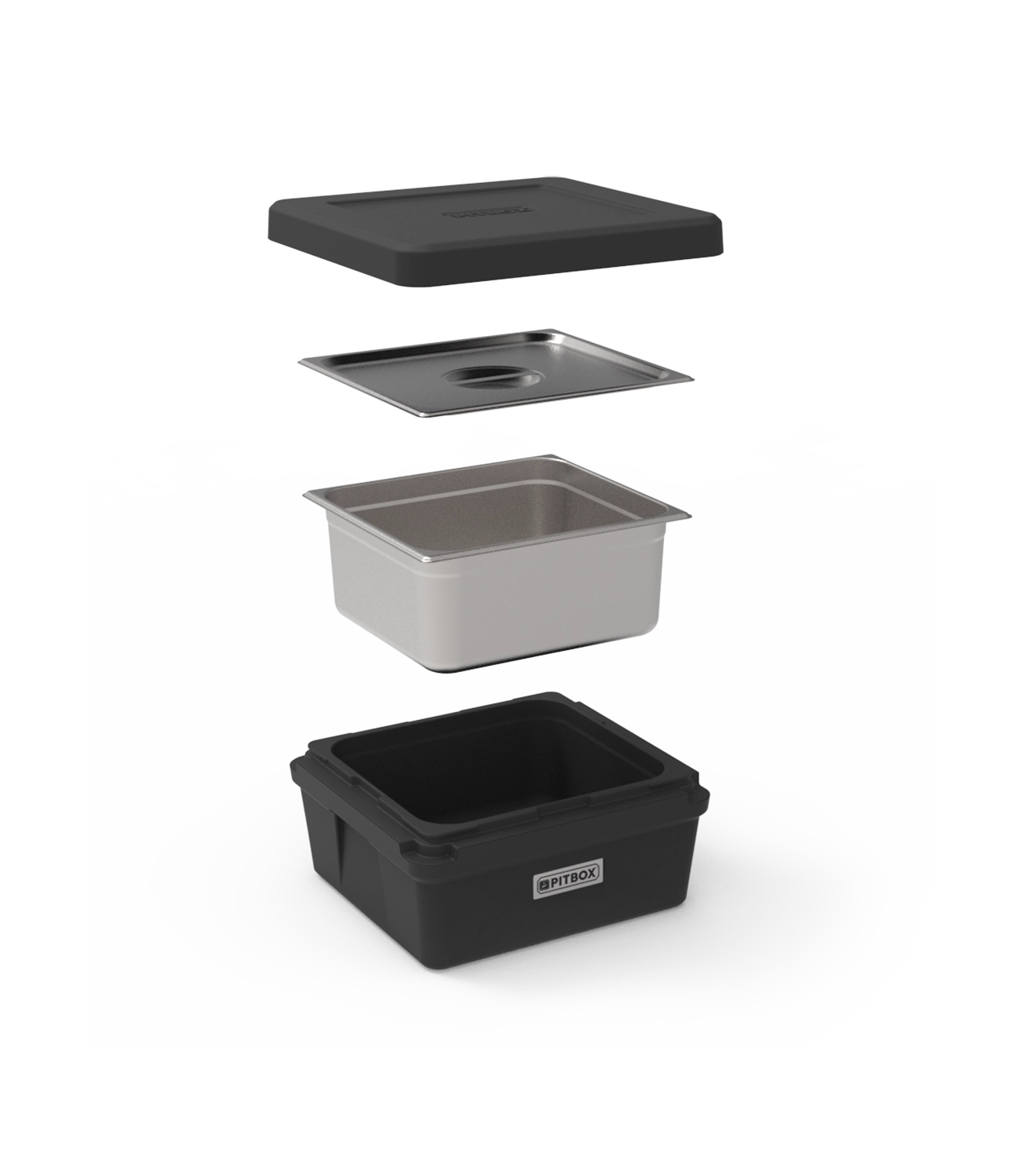
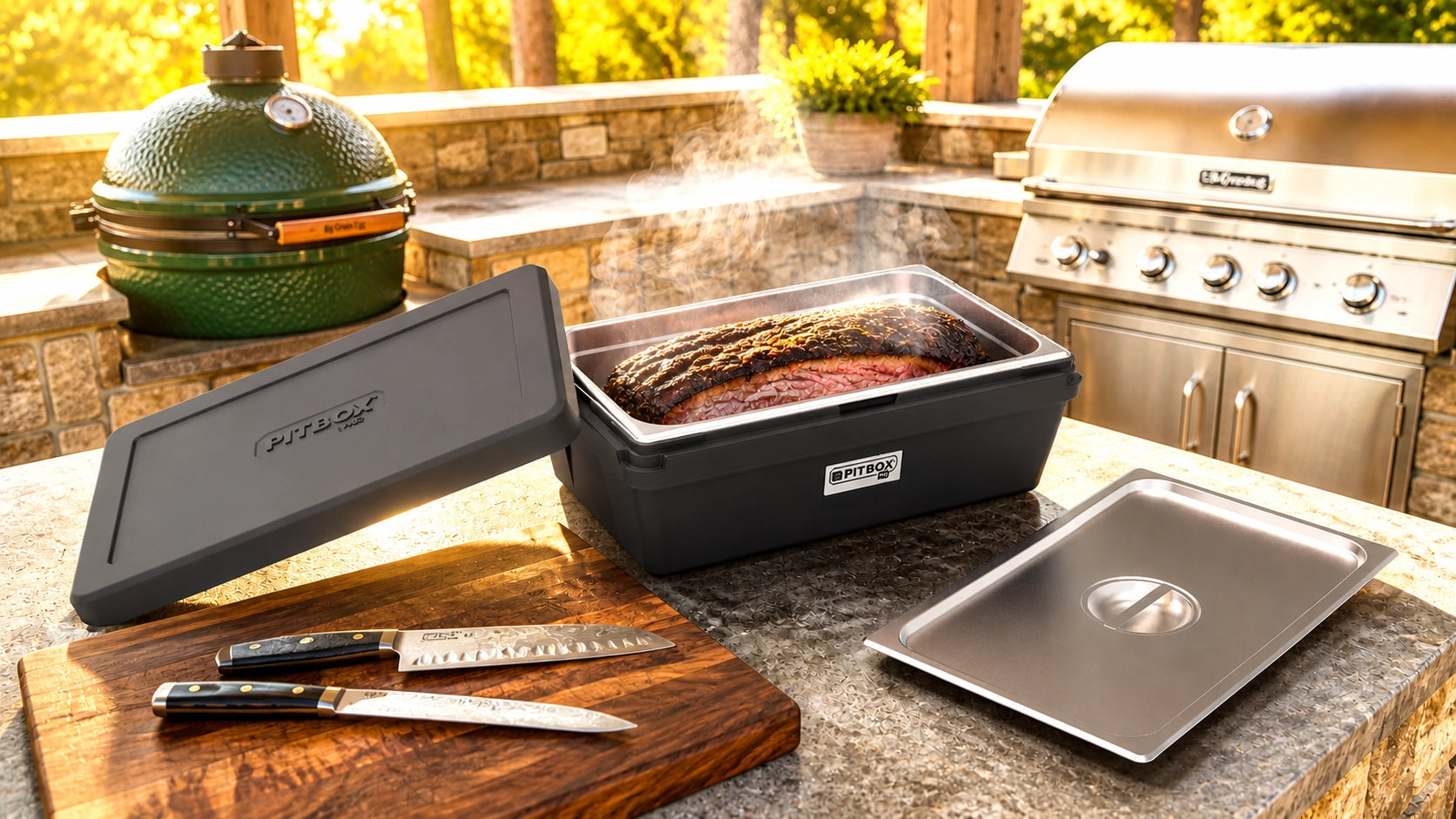

When meat rests, juices redistribute from the center back into the muscle fibers.
Texture improves as the fibers relax.
Carryover cooking continues, often raising temp another 5–10°F.
Slicing becomes easier and cleaner.